AI Referral Traffic Is the New Top of Funnel for SaaS (And Most Teams Can't See It)
AI analytics ai powered analytics attribution for SaaS SaaS attribution user journey analytics SaaS analytics
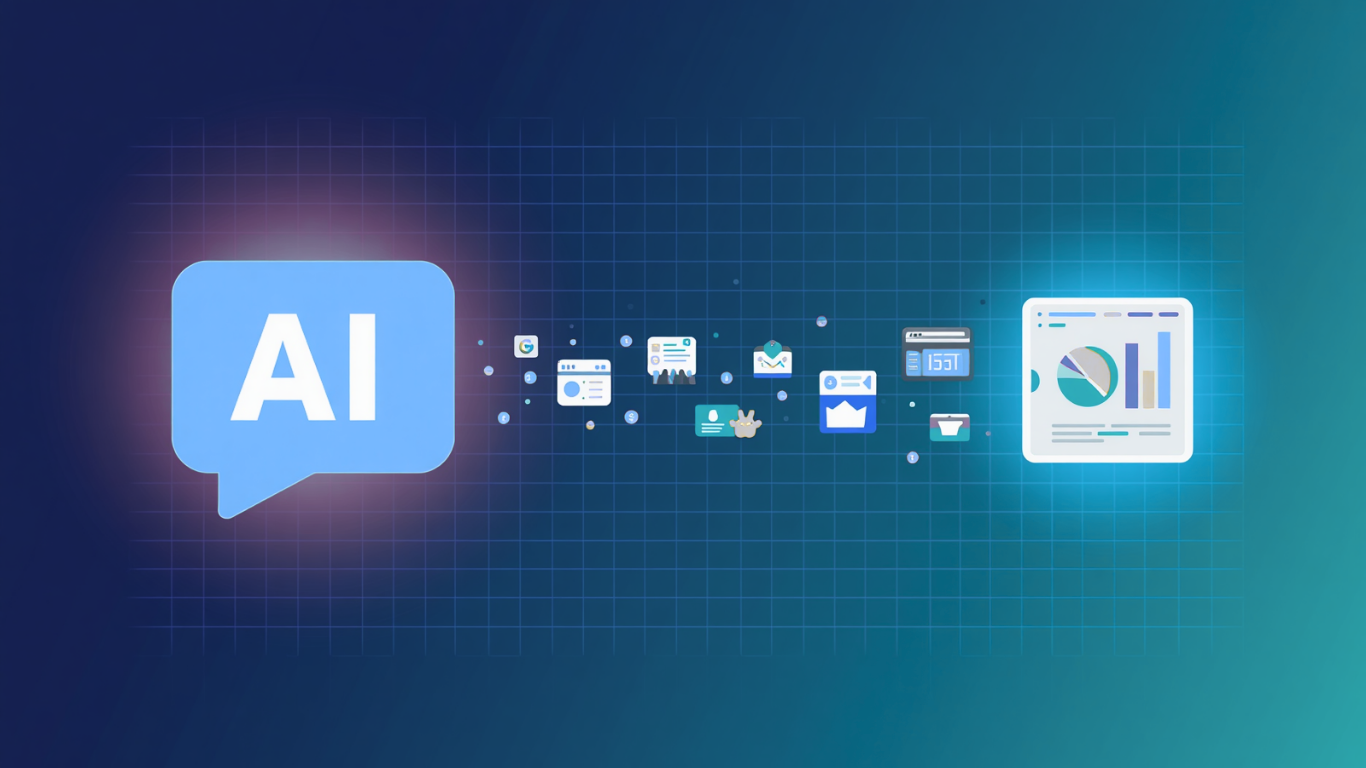
Your next customer might never see your homepage first. They asked ChatGPT instead. It read your site, summarised your pricing, lined you up against two competitors, and handed back a tidy answer. The buyer trusted it. Then they showed up, ready to talk. And your analytics logged the whole thing as "direct traffic" from someone who apparently materialised out of nowhere.
This is happening right now. Quietly. To most SaaS products, whether their teams have noticed or not.
AI referral traffic is already a real channel
For a long time AI traffic was a rounding error. Not anymore.
Around 15% of all website traffic now comes from AI agents and bots, and AI-referred human sessions jumped 527% year over year. ChatGPT drives the lion's share of the referrals people actually click through, with Gemini and Perplexity picking up the rest. The numbers wobble month to month. The direction does not.
The shift underneath those numbers is the real story. Buyers used to open ten tabs and judge for themselves. Now a model does the first pass and hands them a shortlist.
We're watching the discovery layer move," says Ian Naylor, Founder of SaaSAnalytics.ai. "For fifteen years the first impression of your product was your landing page. Increasingly, the first impression is whatever an AI said about you thirty seconds earlier. If you're not measuring that moment, you're flying blind into your own funnel.
That moment is invisible on a standard report. Worth fixing.
Why your dashboard calls it "direct"
Here's the mechanical problem. When someone clicks a link inside ChatGPT or pastes a recommendation into their browser, the referrer header is often stripped or blank. Your analytics tool sees an arrival with no source. So it shrugs and files it under direct.
Direct traffic used to mean someone typed your URL or used a bookmark. Loyal users. Now that same bucket is filling up with AI-sourced visitors who have never heard your name before this session. Two completely different people, same label. You can't tell them apart without doing some work.
This is the same attribution gap that has always made it hard to know where your conversions actually come from, except the gap is widening fast. The fix is not complicated, but it does require you to look. You can catch a chunk of AI referrals by parsing the referrer string for known AI domains, by tagging the links you place inside AI-readable content, and by watching landing pages that suddenly spike with no campaign behind them.
Most teams have none of that running. So the channel stays hidden.
The traffic is small, but it punches above its weight
Here's the part that should make you sit up. AI visitors convert.
LLM referral visitors convert around 4.4x better than organic search visitors. That makes sense when you think about it. The model already did the qualifying. It explained what you do, filtered out the bad fits, and only sent the people who matched. By the time they land, they're warm. Sometimes very warm.
So you might have a channel that's 3% of your traffic and 12% of your trials. You'd never know if it's all dumped into "direct."
The volume is misleading people," says Becky Halls, Strategist at SaaSAnalytics.ai. "Teams look at AI traffic, see a small percentage, and move on. Then we segment it out and the conversion rate is double everything else. That's not a channel to ignore. That's a channel to feed.
Feed it deliberately. Don't just hope.
Buyers are researching you before they ever click
The reason AI traffic converts so well is what happens upstream, before any visit at all.
51% of B2B software buyers now say they start product research with an AI chatbot more often than with Google, and 85% think more highly of a vendor when an AI tool includes them in its answer. Read that second number again. Being mentioned by the AI is now a trust signal in itself. The machine vouched for you. People believe it.
One growth advisor we spoke with put it plainly: "Your buyer's shortlist is being written by a model that read your docs at 2am. You weren't in the room. The only thing that decides whether you made the list is what your site told that model when it crawled." [Note: external quote is a placeholder. Confirm attribution or swap for a sourced quote before publishing.]
So the new question is uncomfortable. What did the AI actually say about you?
Don't quietly delete yourself from the results
Now the own-goal. A surprising number of companies are blocking AI crawlers without thinking it through.
Roughly 34% of B2B SaaS companies block AI crawlers in their robots.txt. Some did it on purpose to protect content. Plenty did it by copying a config file or following old advice. The result is the same either way. You've removed yourself from the answer your buyers now trust most.
There's a craft to showing up inside AI answers, and step one is letting the crawlers in. Step two is giving them clean, structured, factual content they can actually quote. The models reward clarity. They struggle with vague marketing fluff and pages that hide everything behind JavaScript or a signup wall.
Check your robots.txt this week. It's a two-minute job. You might be the reason you're not getting recommended.
What to actually track
You don't need a new department for this. But you do need three things...
First, isolate AI sources. Segment referrers from known AI domains so they stop hiding inside direct traffic. Now you can see the channel as its own line.
Second, follow them all the way through. Track the AI-sourced cohort from landing to signup to paid, the same way you'd track any other channel. The conversion gap only shows up if you measure the full path.
Third, watch what they do once inside. AI-referred users arrive pre-qualified, so their first-session behaviour tells you whether the AI is sending good fits or bad ones. That feedback loop is gold. Use it to sharpen the content the models read.
Get those three running and the fog clears. Suddenly the channel everyone calls "direct" splits into loyal returners and a fast-growing stream of AI-qualified strangers who happen to convert better than almost anyone else.
The teams that see this first get a head start. The rest will keep wondering why their "direct" traffic looks so weirdly healthy.
FAQ
What counts as AI referral traffic? Any visit that originates from an AI tool such as ChatGPT, Gemini, Perplexity or Copilot. Sometimes the person clicks a link the AI surfaced. Sometimes they read a recommendation and head over themselves. The second kind is harder to catch because the referrer is usually blank.
Why does AI traffic show up as direct in my analytics? Because the referrer header is often stripped when a link is followed from inside an AI app. With no source attached, most tools default to labelling the visit "direct." You have to actively parse for AI domains and tag your links to pull it back out.
Is AI referral traffic actually worth chasing if it's only a few percent of visits? Usually yes. The volume is small but the quality is high, with LLM visitors converting several times better than organic search. A channel that's tiny by traffic can be large by revenue. Segment it before you judge it.
Should I block AI crawlers to protect my content? For most SaaS companies, no. Blocking crawlers removes you from the AI answers your buyers increasingly trust. If you have specific content to protect, block that, not your whole site. Letting models read your factual pages is how you end up on the shortlist.
How do I get mentioned by AI tools in the first place? Publish clear, factual, well-structured content that a model can quote without guessing. Make sure crawlers can reach it. Keep your product facts, pricing logic and comparisons easy to parse. Vague positioning gets skipped.
How does SaaSAnalytics.ai help with AI referral traffic? The platform captures behavioural and referrer data from a single JavaScript snippet, so AI-sourced sessions can be segmented out of direct traffic and followed all the way to signup and revenue. You see the channel as its own line, measure how it converts, and feed what's working.